Bug And Insect Prevention Strategies
People searching for bug and insect prevention strategies often want to keep pests away, and local service providers can help implement effective methods to protect your home.
If pests and insects are becoming a concern on a property, exploring bug and insect prevention strategies can offer practical solutions. Property owners in the area often seek ways to reduce unwanted visitors without relying solely on reactive treatments. Implementing effective prevention methods can help minimize the risk of infestations, protect outdoor spaces, and maintain the comfort of indoor environments. Local contractors specializing in pest prevention services are equipped to assess specific needs and recommend tailored strategies that address common local pest issues.
Continuing to learn about bug and insect prevention strategies can empower property owners to take proactive steps in safeguarding their spaces. From sealing entry points to managing landscaping, there are many approaches that can significantly reduce pest attractions. Connecting with experienced service providers can make it easier to implement these measures effectively. Whether for residential or commercial properties, local pros can help develop customized prevention plans that fit individual needs, making pest issues less of a concern over time.
- Insect Barrier Installation - When homeowners notice frequent insect intrusions, local contractors can install physical barriers to prevent entry points.
- Preventive Pest Treatments - If pests are beginning to appear around a property, service providers can apply targeted treatments to deter bugs and insects.
- Landscape Management - For properties with overgrown vegetation or standing water, local pros can recommend landscape adjustments to reduce insect breeding sites.
- Perimeter Pest Control - When pests are present along the property perimeter, local contractors can set up ongoing treatments to create a protective barrier.
- Inspection and Monitoring - In cases of recurring insect issues, professionals can conduct inspections to identify vulnerabilities and develop effective bug prevention strategies.
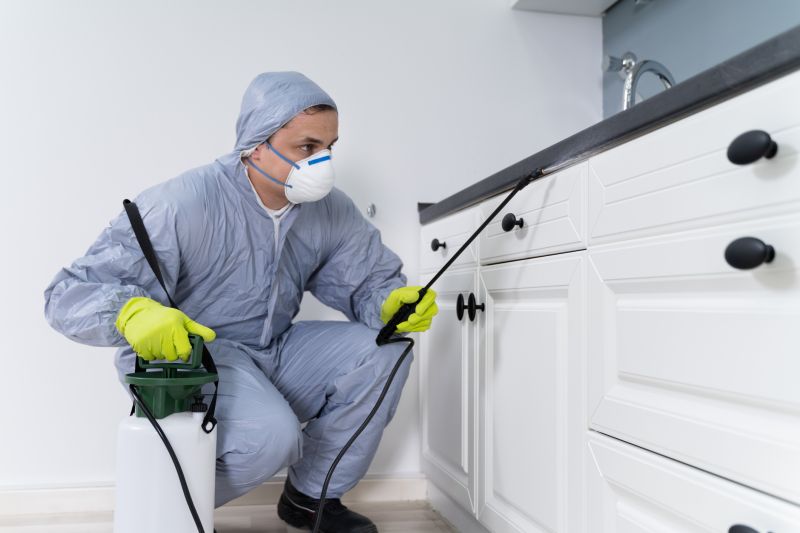

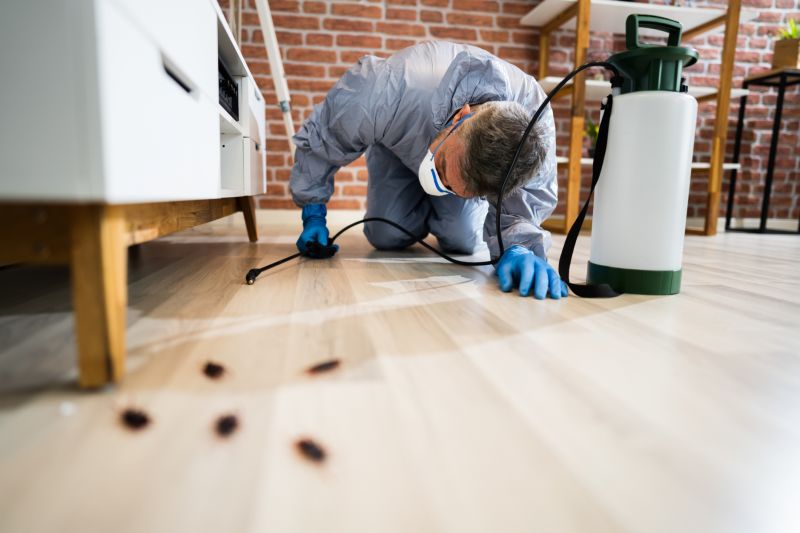
When people search for bug and insect prevention strategies, they are often looking for ways to reduce or eliminate unwanted pests around their homes. This topic typically comes up when homeowners notice an increase in insects such as ants, spiders, mosquitoes, or roaches, or when they want to prevent pests from becoming a problem in the first place. The focus is usually on practical methods to keep pests out of living spaces, which can include both physical barriers and environmental adjustments. Many are interested in understanding how to protect their property without relying solely on chemical treatments, seeking instead proactive approaches that can be integrated into regular maintenance routines.
Bug and insect prevention strategies relate to a range of common problems faced by homeowners. These include infestations, nuisance pests, and the potential for pests to cause damage to property or pose health risks. Planning for pest prevention often involves identifying vulnerable entry points, such as gaps around doors and windows, or areas where standing water might attract insects like mosquitoes. Homeowners may also consider landscaping choices that discourage pest activity or implement barriers like screens and sealing techniques. Local service providers can assist with evaluating property-specific risks and recommending tailored prevention plans that address these issues effectively.
Properties that typically come up in discussions about bug and insect prevention are diverse but generally include residential homes, especially those with yards or gardens, as well as multi-family buildings and commercial properties. Single-family houses with well-maintained lawns are common targets for pests seeking shelter or food sources. Multi-unit dwellings often face unique challenges due to shared walls and common areas that can facilitate pest movement. Commercial spaces such as restaurants, cafes, or retail stores also require effective prevention strategies to maintain hygiene standards and prevent pest-related disruptions. Local contractors experienced in pest prevention can assess these property types and implement customized solutions suited to each setting.
Understanding how bug and insect prevention fits into real projects helps homeowners see its importance in daily property management. Effective strategies often involve a combination of physical barriers, routine inspections, and environmental adjustments that reduce pest attractants. Local service providers play a key role in executing these plans, whether by sealing entry points, applying preventive treatments, or advising on landscape modifications. When properly implemented, these strategies can significantly reduce pest activity and help maintain a clean, pest-free environment. Connecting with experienced local contractors ensures that prevention efforts are comprehensive, targeted, and suited to the specific needs of each property.
Pest control consulting projects involve assessing property conditions and recommending bug and insect prevention strategies, making them relevant for those seeking expert advice from local contractors.
Home sealing and weatherproofing projects focus on blocking entry points and improving building barriers, which are essential components of effective bug and insect prevention.
Landscape modification projects include creating barriers and removing attractants around properties, aligning with bug and insect prevention efforts handled by local service providers.
Drainage and moisture control projects help reduce standing water and damp areas that attract insects, and local contractors can implement these strategies effectively.
Screening and enclosure projects involve installing physical barriers like window screens or outdoor enclosures, directly supporting bug prevention efforts.
Structural repair projects address cracks, gaps, and damages that pests can exploit, with local pros capable of performing these critical bug prevention repairs.
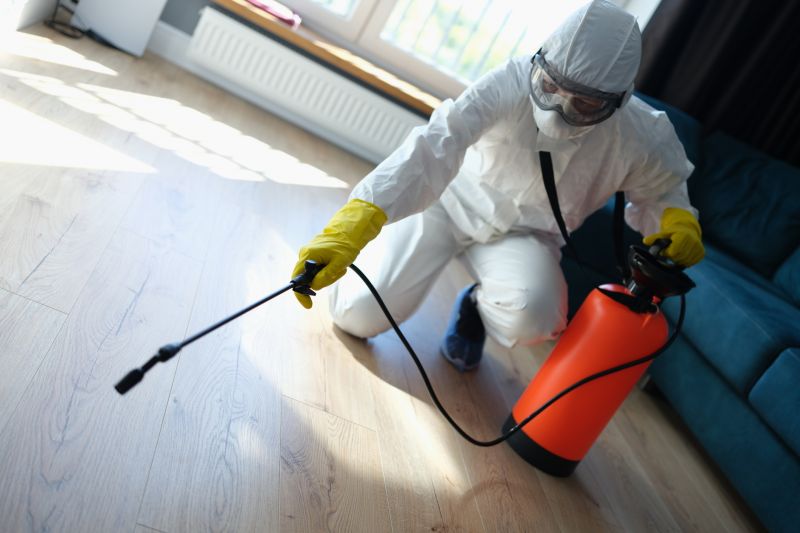
When evaluating service providers for bug and insect prevention strategies, it is important to consider their experience with similar projects. A contractor who has handled a variety of pest prevention efforts can offer insights into effective methods and common challenges. Homeowners should inquire about the types of properties they have worked on and the specific strategies they have employed to ensure their approach aligns with the unique needs of the home. This background helps in assessing whether the provider has a practical understanding of the issues and solutions relevant to the local environment.
Clear written expectations are a vital aspect of choosing the right contractor. A reputable service provider should be able to outline the scope of work, the methods they plan to use, and what homeowners can expect during and after the treatment. Having this information in writing helps prevent misunderstandings and provides a reference point for evaluating the quality of service. Homeowners are encouraged to ask for detailed explanations of the proposed bug and insect prevention strategies and to ensure all aspects of the project are documented before work begins.
Reputable references and effective communication are key indicators of a dependable local contractor. Pros with a history of satisfied clients and positive references demonstrate a track record of successful projects. Additionally, good communication involves timely responses to questions, clarity in explaining procedures, and openness to addressing concerns. Homeowners should seek out service providers who are transparent about their process and willing to engage in ongoing dialogue, as this can lead to a smoother experience and better results in implementing bug and insect prevention strategies.
Property owners often search for bug and insect prevention strategies when they are planning practical projects around their homes and businesses. Local pros provide Bug and Insect Prevention services for everyday jobs and straightforward project options.
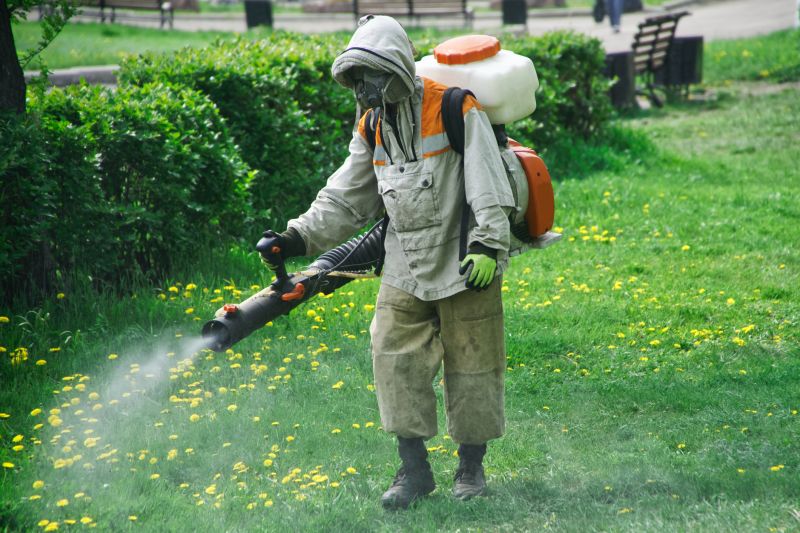
Homeowners in the area often seek out bug and insect prevention strategies to maintain a comfortable and pest-free living environment. Simple measures, such as sealing entry points, managing yard debris, and reducing standing water, can significantly decrease the likelihood of unwanted insects indoors. When these basic steps aren’t enough, property owners frequently turn to local contractors who specialize in pest prevention services to implement more comprehensive solutions.
Engaging with local service providers can help address persistent insect issues and protect the property effectively. These professionals are equipped to assess specific vulnerabilities and recommend tailored strategies, including barrier treatments and habitat modification. For those looking to keep their homes and outdoor spaces free from pests, connecting with experienced local contractors offers a practical way to ensure effective bug and insect prevention.
What are common bug and insect prevention strategies? Common strategies include sealing entry points, removing standing water, and maintaining clean surroundings. Local contractors can assess your property and recommend tailored prevention methods.
How can I reduce the chances of insects entering my home? Preventative measures such as installing screens, sealing gaps, and managing vegetation near the home can help. Local service providers can implement these solutions effectively.
What types of services do pest prevention professionals offer? They typically provide inspection, sealing of entry points, barrier treatments, and advice on reducing attractants around the property to prevent bug and insect issues.
Are there specific bug prevention strategies for outdoor spaces? Yes, strategies include managing mulch and debris, trimming vegetation, and applying perimeter treatments. Local pros can help set up and maintain these outdoor prevention measures.
Why should I consider professional bug and insect prevention services? Professionals have experience in identifying vulnerabilities and implementing effective prevention strategies to reduce pest presence and protect your property.
Sealing entry points - Identifying and sealing gaps around doors, windows, and utility openings can prevent insects from entering the property, and local contractors can assist with professional sealing solutions.
Proper landscaping - Maintaining yard and garden areas by removing debris, trimming vegetation, and managing standing water can reduce insect habitats, with local pros offering guidance on landscape adjustments.
Installing barriers - Applying physical barriers such as screens or mesh around vents and openings can block insects, and local service providers can install or upgrade these barriers effectively.
Applying targeted treatments - Using insect control products in specific areas like foundations and entry points can enhance prevention efforts, with local experts providing safe and effective application services.
If you are thinking about bug and insect prevention strategies for a property, this guide is meant to help you understand this topic, the typical project types, and how different options might fit your plans.
When you are ready, you can use the quote form on this page to share a few details about your project. From there, local pros can review the basics and follow up with options that match what you have in mind.